


Fall 2026 Newsletter

School of Animal Sciences builds on Virginia Tech’s legacy of excellence

For more than 125 years, Virginia Tech has helped advance animal agriculture through education, research, and Extension. That legacy reached a major milestone with the creation of the School of Animal Sciences, bringing together two nationally recognized departments to form the largest animal sciences program east of the Mississippi. The new school builds on a long tradition of hands-on learning, research, and service to Virginia’s agricultural communities while creating new opportunities for students, faculty, and industry partners. Bringing these programs together also creates stronger connections across disciplines, from livestock and dairy science to companion animals and biomedical research. For students, it means more ways to learn across programs, work alongside faculty, and gain experience with animals both in and beyond the classroom.
In this issue
- A Message from the Director
- Going Viral in Your Feed
- Undergraduate Program by the Numbers
- Academic Excellence: Outstanding Seniors
- Undergraduate Awards & Recognition
- Meet the Undergraduate Advising Team
- Beyond the Classroom
- Teams & Competition
- Graduate Program by the Numbers
- Academic Excellence: Outstanding Graduate Students
- Graduate Student Awards & Recognition
- New to SAS
- Honors, Awards, and Service
- Alumni News
- Promotions
- Retirements & Emeritus Recognition
- Research Highlights
- Spotlight on Research Faculty
- Extension Updates & Livestock Hall of Fame
- Upcoming Events
- In Memoriam
Follow us on social media
733
UNDERGRADUATE
STUDENTS
66
GRADUATE
STUDENTS
8,843
ALUMNI
47
FACULTY
40
staff
A Message from the Director of the School

Dear Alumni and Friends,
Welcome to another exciting year in the School of Animal Sciences! It’s a pleasure to reconnect with you through this inaugural edition of the School of Animal Sciences newsletter.
Our classrooms, laboratories, farms, and teaching facilities are once again filled with students eager to begin another year at Virginia Tech. This fall, we are delighted to welcome 219 new undergraduate students, bringing total undergraduate enrollment to 733 students, the largest enrollment in the School's history. This remarkable growth reflects both the increasing demand for careers involving animals and the outstanding reputation our faculty, staff, students, and alumni have built together.
That reputation extends well beyond Blacksburg. Today, the School of Animal Sciences ranks among the nation's premier animal science programs. Recent national benchmarking places Virginia Tech among the very top academic units in the country in federally funded research, ranking 2nd nationally in total federal grants, 3rd in total federal research funding, and among the leaders in grant-active faculty. These accomplishments reflect the creativity of our faculty and the confidence that federal agencies and industry partners place in the work being conducted here. They also demonstrate that Virginia Tech is helping define the future of animal agriculture while increasingly contributing to advances in human health through One Health and translational biomedical research.
Of course, our greatest strength continues to be our students. Whether they aspire to careers in veterinary medicine, livestock production, companion animal science, research, industry, or graduate education, our faculty are committed to providing an educational experience grounded in hands-on learning. From research laboratories and livestock farms to internships, judging teams, undergraduate research, and Extension programming, students have opportunities to develop the knowledge, leadership, and practical skills that distinguish Virginia Tech graduates.
Our faculty also continue to address some of society's most pressing challenges. Research programs span sustainable livestock production, precision nutrition, animal welfare, reproductive biology, data science, neuroscience, and biomedical discovery using large animal models. At the same time, our Extension faculty remain deeply engaged with producers, veterinarians, youth organizations, and commodity groups across the commonwealth, ensuring that new discoveries quickly become practical solutions for Virginia agriculture.
As we look toward the future, we continue to build on an ambitious vision for the School. We are expanding our companion animal and equine programs, rebuilding key areas such as poultry science, strengthening interdisciplinary collaborations across campus, and modernizing research and teaching facilities. Our long-term goal is clear: to become one of the nation's premier schools of animal sciences while remaining the trusted source of education, discovery, and outreach for Virginia's animal industries.
None of these accomplishments would be possible without the support of our alumni and friends. Your mentorship, philanthropy, advocacy, and engagement continue to shape the experiences of our students and strengthen the future of our School. Thank you for remaining an important part of the Virginia Tech Animal Sciences family.
This special retrospective issue highlights some of the people, programs, discoveries, and milestones that have shaped the School of Animal Sciences. While no single publication can capture every accomplishment, we hope these pages reflect the innovation, dedication, and Ut Prosim spirit of our community. I hope you enjoy this edition of our newsletter and look forward to seeing many of you on campus during the coming year.
Go Hokies!
Dave Gerrard, Professor and Director
School of Animal Sciences
Virginia Tech
Going Viral In Your Feed
With an early spring break keeping students on campus for Pi Day, the School of Animal Sciences celebrated its inaugural Pi Day Contest.
After a week of social media challenges and a campus scavenger hunt, APSC junior Alex Solomon claimed the first SAS Pi Day Contest title.
His reward? Throwing a pie at Dr. Eversole on Pi Day at exactly 3:14 p.m. on 3/14!
Undergraduate Program by the Numbers

School of Animal Sciences Graduates
- 2026
- Undergraduate
- APSC
- 165
- DASC
- 19
- APSC
- Undergraduate
- 2025
- Undergraduate
- APSC
- 149
- DASC
- 20
- APSC
- Undergraduate
- 2024
- Undergraduate
- APSC
- 146
- DASC
- 13
- APSC
- Undergraduate
- 2023
- Undergraduate
- APSC
- 139
- DASC
- 23
- APSC
- Undergraduate

Traditions
The school has carried forward a longtime dairy tradition: the annual Milk Toast led by the Outstanding Seniors at the graduation celebration. Watch the 2026 toast (above, right).
Academic Excellence: Outstanding Seniors
-
Redirect Item
 Class of 2026: Ruth Haile named Outstanding Animal and Poultry Sciences Senior , redirect
A fourth-generation Hokie with deep roots in agriculture, Ruth Haile made the most of Virginia Tech’s classrooms, farms, and leadership opportunities as she worked toward veterinary school.
-
Redirect Item
 Class of 2026: Sarah Diehl named Outstanding Dairy Science Senior , redirect
Named outstanding senior in the College of Agriculture and Life Sciences, Sarah Diehl graduated in three years and paid her own way, thanks to the generosity of scholarships and hard work on the family’s dairy farm.
-
Redirect Item
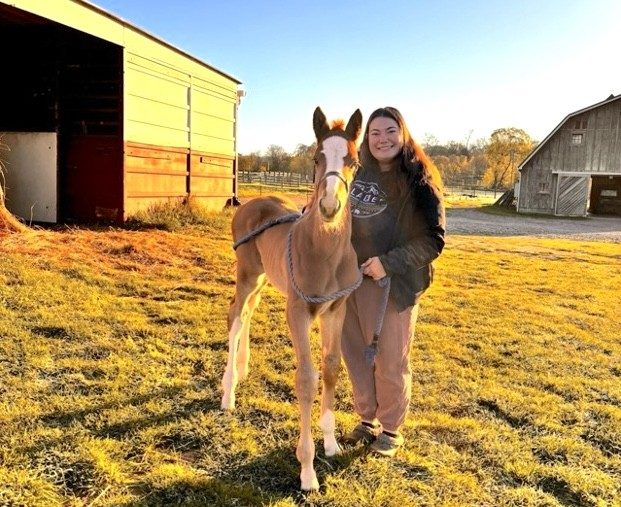 Class of 2025: Sofia Killar named Outstanding Animal and Poultry Sciences Senior , redirect
Outstanding Animal and Poultry Sciences Senior, Sofia Killar is headed to graduate school at Virginia Tech to study translational medicine and pursue a career in cancer research.
-
Redirect Item
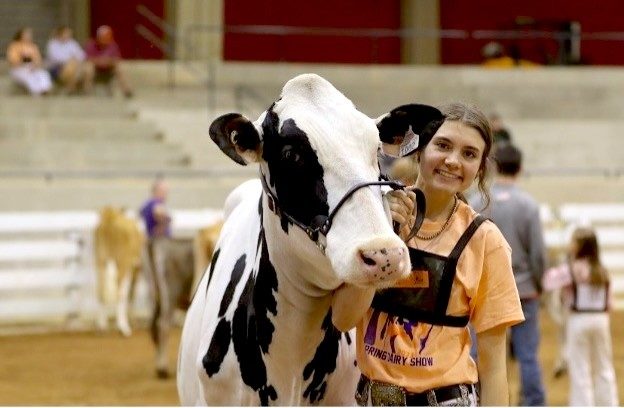 Class of 2025: Salem Sifford named Outstanding Dairy Science Senior , redirect
Selected as one of only 20 nationwide for the inaugural Top Judge program, Salem Sifford has since completed the prestigious program and is now pursuing her master's degree at Virginia Tech. She continues to work toward her goal of becoming an animal science professor and livestock judging coach.
-
Redirect Item
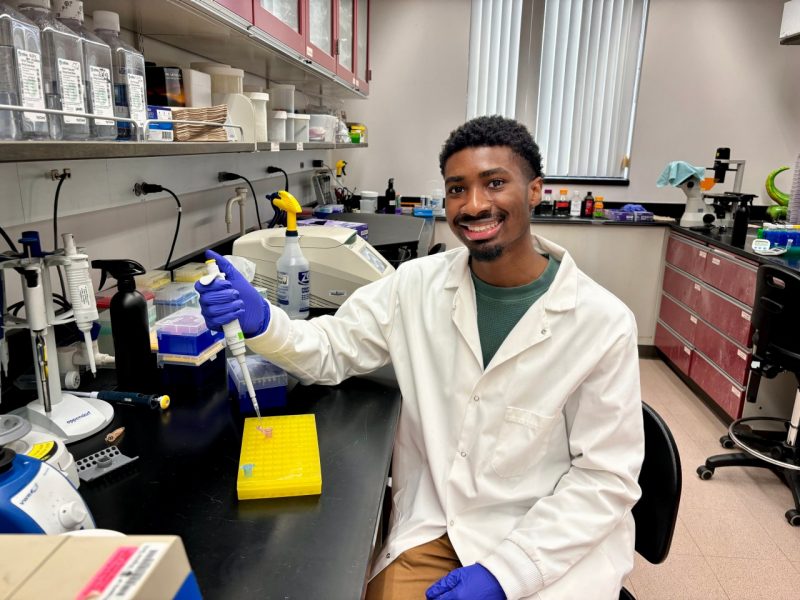 Class of 2024: Alex Solomon named Outstanding Animal and Poultry Sciences Senior , redirect
Alex Solomon was selected as the 2024 recipient of the SAS APSC Outstanding Senior Award, as well as the Randolph L. Grayson Outstanding CALS Diversity Scholar Award. He interned for two summers in the National Science Foundation’s Research Experiences for Undergraduates and is pursuing graduate work in immunology.
-
Redirect Item
 Class of 2024: Jack Hammock named Outstanding Dairy Science Senior , redirect
Jack Hammock was named the Dairy Science Outstanding Senior and transitioned back into his family farm after graduation as herd manager and financial manager.
-
General Item
 Class of 2023: Jenna Marston named Outstanding Dairy Science Senior
Jenna was a double major in Dairy Science and Animal and Poultry Sciences. She was an active member of Block and Bridle, the Dairy Club, and the Equestrian Club.
-
General Item
 Class of 2023: Katie Kirkpatrick named Outstanding Animal and Poultry Sciences Senior
An interest in production agriculture brought first-generation college student, Katie Kirkpatrick, to Virginia Tech.
Undergraduate Awards & Recognition
2026 Senior Awards
-
Redirect Item
 Abigail Adams, DASC major , redirect
Abigail Adams received the 2026 CALS Champion Award in recognition of her resilience and leadership. She paired work in the dairy complex with undergraduate teaching as she prepared for a career in agricultural education — all while welcoming her daughter.
-
Redirect Item
 McKenzey Kirby, APSC major , redirect
McKenzey Kirby received the 2026 CALS Champion Award after completing her degree in just two and a half years while balancing military service, hands-on animal care, and academics. That same commitment to service carried into roles with Virginia Cooperative Extension and active military orders beginning this fall.
-
Redirect Item
.jpg.transform/m-medium/image.jpg) Morgan Marshall, APSC major , redirect
Morgan Marshall, APSC major , redirectMorgan Marshall received the 2026 CALS Catalyst Award after discovering an interest in meat science through hands-on experiences at the Virginia Tech Meat Center and the Livestock Judging Team. She is pursuing a career in meat science and agriculture.
-
Redirect Item
 Dori Mitchell, Biochemistry & APSC majors , redirect
Dori Mitchell was inducted into Virginia Tech’s Chapter of Phi Kappa Phi in recognition of her academic excellence. She complemented her studies in biochemistry and animal science with undergraduate research, study abroad, peer mentoring, and hands-on experiences before continuing her education at VMCVM.
-
Redirect Item
 Jayla Teller, APSC major , redirect
Jayla Teller received the 2026 CALS Ambassador Award for her three years of service as a CALS Ambassador. A trusted and enthusiastic representative for Virginia Tech, she welcomed prospective students and families, supported recruitment events, and encouraged fellow ambassadors and new students. Her plans include a career in veterinary medicine.
2026 Senior Spotlights
-
Redirect Item
 Kaitlynn Noone’s path to equine veterinary medicine , redirect
Kaitlynn Noone completed her degree in three years while conducting undergraduate research, taking on leadership roles, and gaining equine experience. She is continuing that path at Clemson University’s College of Veterinary Medicine.
-
Redirect Item
 Katie Powell: Where judging meets meat science , redirect
Katie Powell built a strong foundation in meat science through undergraduate research, hands-on experience at the Virginia Tech Meat Center and industry internships. She is now pursuing graduate studies in meat science at Oklahoma State University.
-
Redirect Item
 Zoë Wachsman sets her sights on food systems and public health , redirect
Through undergraduate research, sustainability initiatives, and leadership experiences, Zoë Wachsman explored the connections between animal agriculture, food systems, and public health. She is pursuing a Master of Public Health at Cornell University.
2025 Senior Awards
-
Redirect Item
 Will Bonham, APSC and Biochemistry majors , redirect
Will Bonham was honored with the 2025 CALS Outstanding Club Leadership Award for his leadership in the Pre-Veterinary Medical Association. Hands-on experiences with research, swine production, and veterinary medicine prepared him for VMCVM.
-
Redirect Item
 Brandon Duncan, APSC major with a Biodiversity Conservation minor , redirect
Brandon Duncan received the 2025 CALS Outstanding Ambassador Award for his leadership and service across SAS, CALS, and Virginia Tech. Through undergraduate research and ambassador roles, he made an impact on students from recruitment through graduation before continuing his education at VMCVM.
-
Redirect Item
 Parker Epperley, APSC major , redirect
Parker Epperley received the inaugural 2025 CALS Land-Grant Distinction Award for exemplifying Virginia Tech’s land-grant mission. Through livestock judging and hands-on production agriculture, he put that land-grant commitment into practice through service to agriculture and rural communities.
-
Redirect Item
 Makaia Haight, APSC & DASC majors , redirect
Recipient of the 2025 CALS Outstanding Collaborator Award, Makaia Haight added Dairy Science as a second major after discovering an interest in dairy cattle through coursework. Her undergraduate research and leadership as a SAS, CALS, and advising ambassador prepared her for graduate study in animal sciences and a future career in veterinary medicine.
-
Redirect Item
 Montana Hushon, APSC major , redirect
Montana Hushon received the 2025 CALS Outstanding Mentor Award in recognition of her commitment to service, leadership, and support of fellow Hokies. Through Sigma Alpha and peer mentoring, she embodied the spirit of Ut Prosim as she prepared to begin studies at VMCVM.
-
Redirect Item
 Jeffer Lin, APSC major , redirect
Recipient of the 2025 CALS Outstanding Ambassador Award, Jeffer Lin was recognized for his leadership and service to prospective and current Hokies. As an ambassador, peer mentor, and teaching assistant, he became a familiar face to students across the school and strengthened the communication skills he will carry into veterinary medicine.
2025 Senior Spotlights
-
Redirect Item
 Cassie Borino, APSC major , redirect
Cassie Borino combined undergraduate research, peer mentoring, student leadership, and study abroad to prepare for a career in veterinary medicine. Through determination and perseverance, she achieved her longtime goal of admission to VMCVM.
-
Redirect Item
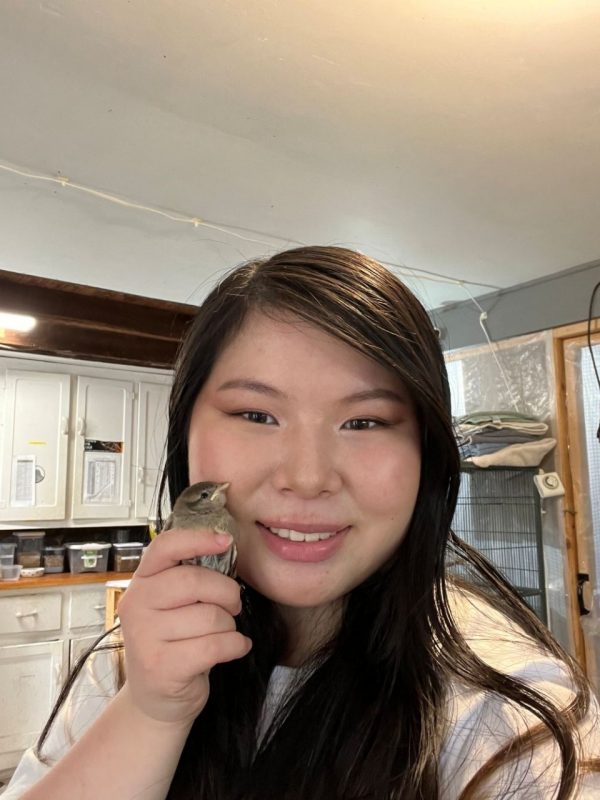 Sophia Cheng, APSC major with a minor in Biodiversity Conservation , redirect
Sophia Cheng expanded her undergraduate experience through leadership opportunities and research. Her work with TEAM MALAWI gave her a new way to connect animal health, wildlife, and her plans for veterinary medicine.
-
Redirect Item
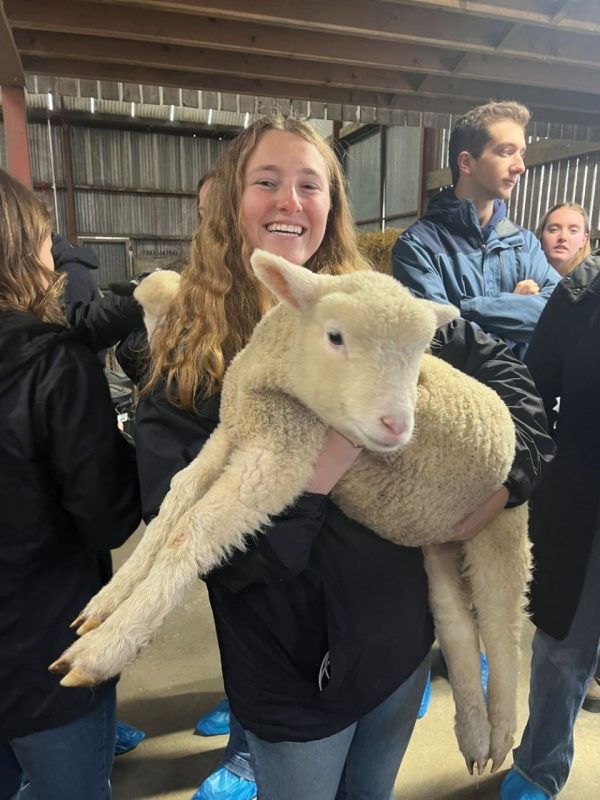 Abby Greenwood, DASC major and 3+1 Veterinary Scholar , redirect
Abby Greenwood embraced every opportunity to get involved during her undergraduate career, from Dairy Club leadership and dairy judging to undergraduate research and student ambassador roles. She now brings that experience to VMCVM.
-
Redirect Item
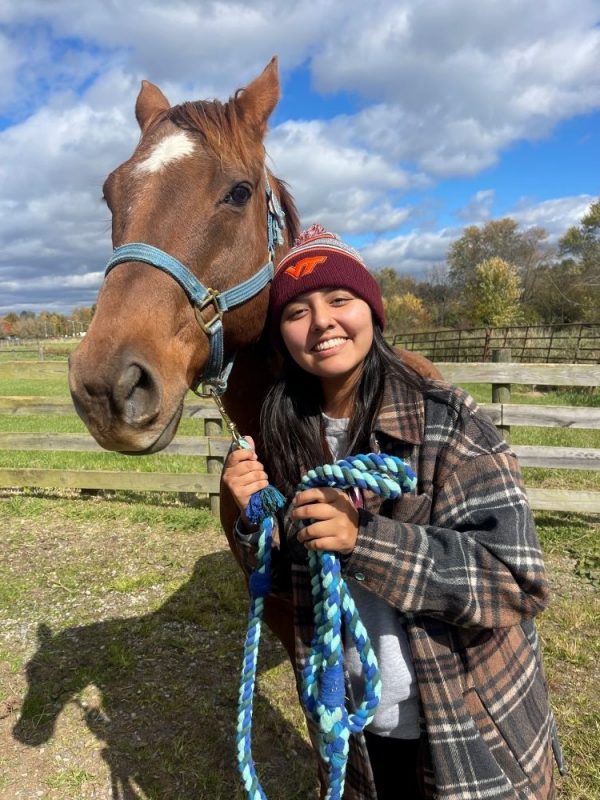 Daniela Garcia Llanos, APSC major with a double emphasis in equine and companion animal , redirect
Daniela Garcia Llanos discovered her passion for the thoroughbred industry through hands-on learning at Virginia Tech. From her first experience working with horses to studying abroad in Germany, she embraced every opportunity to build the skills and confidence for a career in equine management.
-
Redirect Item
 Tyler Wood, APSC major with a minor in Leadership , redirect
An APSC major with a minor in Leadership, Tyler Wood balanced undergraduate research with leadership and service as a member of the Virginia Tech Corps of Cadets. His plan after graduation combines military service through the Army National Guard with a future career in veterinary medicine.
2024 Senior Awards
-
Redirect Item
 Isabelle Cang, APSC major , redirect
Isabelle Cang received the 2024 Outstanding Collaborator Award in recognition of her commitment to teamwork and service across the college community. By embracing opportunities in animal care, research, service, and cultural engagement, she built a broad foundation for her future career in veterinary medicine.
-
Redirect Item
 Gabriella Doering, APSC major with a minor in Spanish , redirect
Gabriella Doering was recognized with the 2024 CALS Outstanding Ambassador Award. From serving as a SAS ambassador and Polo Club president to working in animal behavior and nutrition, she embraced opportunities that helped prepare her for vet school.
-
Redirect Item
 Derrick Spangler, APSC major , redirect
Derrick Spangler received the 2024 CALS Comeback Award in recognition of his grit and perseverance in overcoming adversity. A first-generation college graduate, Derrick embraced the spirit of Ut Prosim through a commitment to learning, service, and helping others succeed.
2024 Senior Spotlights
-
Redirect Item
 Abigail Childress, DASC major and 3+1 Veterinary Scholar , redirect
Abigail Childress embraced new opportunities throughout her undergraduate career, including a leadership role in the Equine Volunteer Program. That hands-on experience helped prepare her to pursue a mixed animal track at VMCVM.
-
Redirect Item
 Ashtyn Dunn, APSC major , redirect
Ashtyn Dunn made the most of her time at Virginia Tech. Her undergraduate experience took her from research and study abroad to equine training and student leadership. Next: large animal veterinary medicine.
-
Redirect Item
 Megan Kesler, APSC major , redirect
Megan Kesler expanded her classroom learning with a summer internship on a 300,000-acre cattle ranch in New Mexico, gaining hands-on experience in ranch management and colt training. She remained with SAS to earn her M.S. in Reproductive Biology.
2023 Senior Awards & Spotlights
-
Redirect Item
 Laila Ampy-Thomas, APSC major , redirect
Laila Ampy-Thomas found her future in 4-H after an internship with VCE introduced her to a career path that combined her passions for working with animals and kids.
-
Redirect Item
 Dana Dougherty, APSC major (Pre-Veterinary Option, Livestock emphasis) , redirect
Dana Dougherty received the CALS Outstanding Undergraduate Research Award for her contributions to research spanning swine, poultry, and dairy science. She is pursuing an M.S. in Biomedical and Veterinary Science.
-
Redirect Item
 Michael Marciano, Pre-veterinary DASC major , redirect
Michael Marciano entered VMCVM through the 3+1 Program in Dairy Science. Along the way, he developed an interest in food animal medicine and farrier science through hands-on learning that helped him prepare for vet school.
Meet the Undergraduate Advising Team
-
Redirect Item
 Jessica Bedore , redirect
Academic Advisor
-
Redirect Item
 Lucy Bergamasco , redirect
Academic Advisor
-
Redirect Item
 Dan Eversole , redirect
Academic Advisor
-
Redirect Item
 Katie Heiderscheit , redirect
Academic Advisor
-
Redirect Item
 Emma Helm , redirect
Academic Advisor
-
Redirect Item
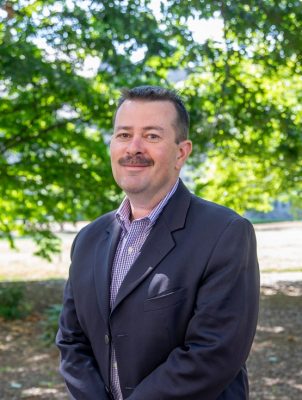 Matthew Miller , redirect
Academic Advisor
-
Redirect Item
 Jason Scheffler , redirect
Academic Advisor
-
Redirect Item
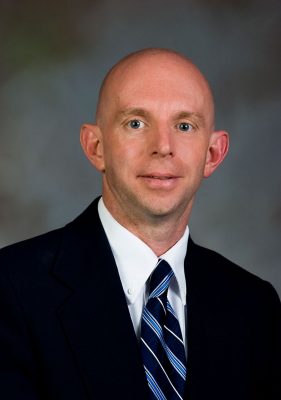 David Winston , redirect
Academic Advisor
-
Redirect Item
 Cindy Wood , redirect
Academic Advisor
-
Redirect Item
 Kathy Tarter Duncan , redirect
Student Engagement Coordinator
Beyond the Classroom
Lamb husbandry pathway to professional doctorate program
Students in the School of Animal Sciences gain hands-on experience providing around-the-clock care for newborn lambs at the Copenhaver Sheep Center. The experience builds essential animal husbandry skills and inspires some students to pursue veterinary medicine at the Virginia-Maryland College of Veterinary Medicine.

Milkshakes fuel a global learning opportunity
Dairy Club students turned one of campus’s favorite traditions into a global learning experience. Funded in part by sales of the club’s signature milkshakes, 23 students traveled across the British Isles to explore dairy and livestock production, visit the birthplaces of renowned cattle breeds, and compare agricultural practices with those in the United States.

A livestock merchandising class with a $328,000 bottom line
For more than three decades, Virginia Tech students have managed the Hokie Harvest Sale from start to finish, gaining real-world experience in livestock merchandising and evaluation while putting classroom lessons to work—all while raising $4.5 million to support teaching, research, and future learning in the School of Animal Sciences.
Hands-on learning at the Equitation Barn
From feeding horses and managing daily barn operations to breeding, foaling, nutrition, and training, the Virginia Tech Equitation Barn gives students hands-on experience in every aspect of equine management. The year-round program helps prepare students with the practical skills needed for careers in the equine industry.
Colby Crutchfield, Dairy Science major.

DASC major, Colby Crutchfield, named an Agri-Food Finance Fellow
As an Agri-Food Finance Fellow, Colby Crutchfield explored how finance, agriculture, artificial intelligence, and machine learning come together in real-world financial decision-making.

Virginia Tech senior investigates pre-weaning death loss in pigs
As a Virginia Tech senior, Lexi Clapp used undergraduate research to address a longstanding challenge in the swine industry. Through her capstone project at the Tidewater Agricultural Research and Extension Center, she investigated why male piglets experience higher pre-weaning mortality, generating findings that could help inform future animal health and management practices.

SAS student receives International Poultry Scientific Forum award
Undergraduate research by Virginia Tech alumna Delaney Groves earned national recognition at the International Poultry Scientific Forum. Her award-winning research on improving the health and performance of laying hens could help advance poultry health, sustainability, and productivity.

Hands-on Experience Focused on Exhibiting and Raising Showcalves (H.E.I.F.E.R.S.)
A new student-led program at Virginia Tech is creating hands-on learning opportunities for the next generation of dairy professionals. Through H.E.I.F.E.R.S., students gain practical experience in animal care, show preparation, leadership, and teamwork while promoting the dairy industry.

Paws for a cause: Virginia Tech students, professors lead dog adoption efforts and research
The School of Animal Sciences' popular Shelter Dog Training course combines experiential learning with community impact. Students gain hands-on experience in canine behavior, welfare, and training while helping shelter dogs build the skills and confidence needed to find adoptive homes.
Virginia Tech's Meat Science Center is a cut above
The Virginia Tech Meat Science Center provides students with hands-on experience in every stage of meat processing and production. As a fully operational, state-inspected processing facility, the center supports teaching and research while preparing students for careers in the meat and food industries.
Researching the genes that affect cell development
Undergraduate and graduate students are working alongside faculty to better understand the earliest stages of embryo development in cattle. By combining hands-on laboratory research with advanced gene-editing technologies, the team is learning more about the earliest stages of embryo development — knowledge that could help reduce embryonic loss and improve reproductive success in livestock.
Teams & Competition
Virginia Tech dressage team wins first national championship
Hokies made history in St. Louis, capturing their first-ever IDA national championship with standout team and individual performances. Freshman Brienza Marraccini added an individual national title in the Introductory division, while teammates earned top finishes across multiple divisions.

Dr. Michael Barnes Dairy Judging Team
Virginia Tech’s nationally recognized Dairy Judging Team has brought home five national championships since 2006. But success takes more than knowing cattle. Team members travel to dairy farms throughout Virginia and neighboring states to train, learning to evaluate animals, make decisions under pressure, and defend those decisions through formal oral presentations. The experience builds confidence and communication skills that students carry well beyond the competition ring.

Virginia 4-H Livestock Judging Team wins national competition
The Virginia 4-H Livestock Judging Team took first place among 32 teams at the National 4H Livestock Judging Contest. They also finished first in oral reasons and beef cattle judging, and three team members placed among the top eight individuals. It was Virginia’s ninth national title since the contest began in 1922.


Academic Quadrathlon returns to Virginia Tech
Since its revival, the Academic Quadrathlon has challenged Virginia Tech students to strengthen their knowledge, communication, and teamwork across animal science disciplines. The program quickly found success, with the 2023 team earning fourth place at the ASAS Southern Section meeting, including top scores in dairy management and poultry. The 2025-2026 team’s trip was canceled due to a major winter storm in January.


Virginia Tech Dairy Quiz Bowl Team took first place at the 2023 American Dairy Science Association meeting
The Dairy Club at Virginia Tech's Quiz Bowl Team won first place in a competition that included 6 undergraduate teams at the ADSA Annual Meeting in Ottawa, Canada. The ADSA Dairy Quiz Bowl tested student knowledge of dairy production and dairy foods. Students took a seeding test and then competed in a double-elimination tournament. Kayla Alward coached the team.

Dairy Challenge Team at Virginia Tech
At the national competition, typically more than 250 students representing 30+ universities participate in the event, which puts students in the role of dairy consultants. The teams evaluate a working dairy, analyze production and financial records, and present their recommendations to a panel of industry experts. Learn more about the team at the link above.


Livestock Judging Team returns to national competition
After more than a decade, Virginia Tech once again fielded a full Livestock Judging Team, marking the return of the program to national competition. Since 2024, students have competed at premier events including the National Western Stock Show and Rodeo, North American International Livestock Exposition, Southeastern Regional, All East, Keystone International, and other regional contests.
Participation has grown rapidly — from 10 students in 2024 to more than 30 in 2025 — and the program celebrated its first Top Judge graduate, Salem Sifford.
Team members continue to cite livestock judging as their most impactful experiential learning experience, with recent graduates finding success in graduate school, feedlot management, agricultural lending, vet school, ag business management, and agricultural education.
— Matthew Miller, Associate Professor of Practice, Livestock Specialist & Judging Coach
Graduate Program by the Numbers

Graduate Degrees Awarded by Academic Year
- 2025-2026
- Animal & Poultry Sciences
- M.S.
- 14
- Ph.D. 8
- M.S.
- Animal Sciences, Dairy
- M.S.
- 1
- M.S.
- Animal & Poultry Sciences
- 2024-2025
- Animal & Poultry Sciences
- M.S.
- 21
- Ph.D.
- 11
- M.S.
- Animal Sciences, Dairy
- Ph.D. 3
- Animal & Poultry Sciences
- 2023-2024
- Animal & Poultry Sciences
- M.S.
- 13
- Ph.D.
- 9
- M.S.
- Animal Sciences, Dairy
- Ph.D. 1
- Animal & Poultry Sciences
- 2022-2023
- Animal & Poultry Sciences
- M.S.
- 11
- Ph.D. 8
- M.S.
- Animal Sciences, Dairy
- MSLFS 1
- Ph.D.
- 3
- Animal & Poultry Sciences
Academic Excellence: Outstanding Graduate Students
Academic Year 2025-2026

Prashant Ghimire
SAS Outstanding M.S. Student
Thesis title: Methodological Effects on Neutral Detergent Fiber Disappearance and Degradation Kinetics in In Situ and Bag Based In Vitro Systems
Advisor: Gonzalo Ferreira

Mary Ali Oliver
SAS E.T. Kornegay Outstanding Ph.D. Student & CALS Outstanding Ph.D. Student
Dissertation title: Investigating the Actions of Interleukin-6 Family Members on Post-Hatching Blastocyst Development in Cattle
Advisor: Alan Ealy
Academic Year 2024-2025

Alexandra (Allie) Webster
SAS Outstanding M.S. Student
Thesis title: Precision Nutrition Tools to Support Extensive Forage-Based Livestock Systems
Advisor: Robin White

Madison Barshick
CALS Outstanding Ph.D. Student
Dissertation title: Modulation of the satellite cell niche controls satellite cell-mediated myogenesis
Advisor: Sally Johnson
Academic Year 2023-2024

Savannah Gregg
SAS Outstanding M.S. Student
Thesis title: The effects of hyaluronic acid and exercise on equine skeletal muscle
Advisor: Sally Johnson

Kayla Farrell
CALS Outstanding Ph.D. Student
Dissertation title: Sex-differences in proteasome-independent roles of the ubiquitin proteasome system in memory formation
Advisor: Tim Jarome
Academic Year 2022-2023

Mackenzie Marrella
SAS Outstanding M.S. Student
Mackenzie did not defend a M.S., she moved to the doctoral program. Her dissertation title: Molecular phenotypes associated with heifer fertility
Advisor: Fernando Biase

Sara Cloft
SAS Outstanding Ph.D. Student
Dissertation title: Outlining a balance-point model of homeostasis in the small intestine of broiler chickens
Advisor: Eric Wong
Graduate Student Awards & Recognition
Graduate students in the School of Animal Sciences are making their mark well beyond campus. They regularly present their research at regional, national, and international conferences, earning competitive awards for their work. The recognitions that follow offer just a sampling of their many accomplishments.
2026 Research Symposium Winners
Oral Presentations

Camila Ezepha, Ph.D. Student
Genomics
Machine learning classification and single-cell transcriptomic analysis identify genes determining developmental competence in 8-cell cattle embryos

Naa Adei Kotey, Ph.D. Student
Ruminant Nutrition
Methane monitoring in dairy cows

Alyssa Neff, M.S. Student
Dairy Nutrition
Effect of genotype and dormancy on dry matter yield and neutral detergent fiber (NDF) digestibility of alfalfa (Medicago sativa L.)

Erin Poteat, M.S. Student and Agriculture Manager
Copenhaver Sheep Center
Evaluation of neonate antibody supplementation and colostrum variance in Suffolk and St. Croix sheep
Rapid Fire Talks

Yasmeen Gomez, Ph.D. Student
Animal Behavior and Welfare
Nailed it: exploring effective training for nail trims using a scratchboard

Erollykens Ferreira, Ph.D. Student
Nutrition
Effects of chromium propionate supplementation during pre-conditioning and receiving programs on performance of feeder cattle
Posters

Bethany Alexander, Ph.D. Student
Poultry Nutrition
Effects of a natural choline chloride feed additive on performance, egg quality, and fat accumulation of white laying hens

Rebecca Thompson, Ph.D. Student
Companion Animal Behavior
Does pain impact how horses react to sound?

Amber Thornton, Ph.D. Student
Reproductive Physiology
Interleukin 6 supplementation activates ERK1/2 signaling pathway and triggers proliferation of bovine trophectoderm cells
SAS Graduate Students at the
2026 American Dairy Science Association Meeting

- Matin Ataei Kachouei, Ph.D. Student, awarded the Janusz Bryzek Abundance through MEMS* Award, Transducer Research Foundation. For developing low-cost, robust sensors to monitor crops and livestock, providing actionable data to increase yield, reduce crop loss and environmental degradation, and improve global food resilience. (2026)
- Vinicius A. Cruz, Ph.D. Student, inducted into the Edward A. Bouchet Graduate Honor Society along with 11 others from Virginia Tech. (2026) Read the article…
- Alyssa Lyons, Ph.D. Student, CALS Susan Duncan Graduate Teaching Scholar Mentoring Award
(AY 2025-2026) - Mingsi Liao, Ph.D. Student, Invited Presentation at the Plant and Animal Genome Conference (PAG). (“Vision-Based Monitoring of Diarrhea in Pre-Weaning Dairy Calves”, 2026)
- Mingsi Liao, Ph.D. Student, Center for Advanced Innovation in Agriculture (CALS) Travel Award (2025)
- Yhakira Gray, M.S. Student, Marian Breland Bailey Award for Scholarship and Research in Applied Animal Behavior Graduate Research, Applied Behavior Analysis International Annual Convention (2025)
- Yasmeen Gomez, Ph.D. Student, Marian Breland Bailey Award for Scholarship and Research in Applied Animal Behavior Graduate Research, Applied Behavior Analysis International Annual Convention (2025)
- Sally Dickinson, Ph.D. Student, Simon Prins Award for Impact on the Art and Science of Working Dogs, Joint Symposium for Working Canines, (2025)
- Yeeun Bae, Ph.D. Student, awarded a Diana Jacobs Kalman/American Federation for Aging Research (AFAR) Scholarship for Research in the Biology of Aging (2024)
- Yeeun Bae, Ph.D. Student, awarded a Trainee Professional Development Award from the Society for Neuroscience (2024)
- Naa Adei Kotey, Ph.D. Student, accepted into the highly competitive CALS Graduate Teaching Scholars (GTS) program (2024)
- Mingsi Liao, Ph.D. Student, GPSS Research Symposium Poster Award (2nd Place, 2024)
- Mingsi Liao, Ph.D. Student, Graduate Certificate in Data Analytics (2024)
- Con-Ning Yen, Ph.D. Student, Virginia Tech Muscle Symposium Awards, 1st Place Oral Competition (2024)
- Madison Barshick, Ph.D. Student, Virginia Tech Muscle Symposium Awards, 2nd Place Oral Competition (2024)
- Yasmeen Gomez, Ph.D. Student, George Washington Carver Graduate Scholar (2024-present)
- Yhakira Gray, M.S. Student, Multicultural Academic Opportunities Program Graduate Scholar (2024-present)
- JoAnna Platzer, Ph.D. Student, Summer Biobuild Fellow, Virginia Tech (2023)
- Alexis Wivell, M.S. Student, International Livestock Congress Fellow (2023)
- JoAnna Platzer, Ph.D. Student, Marian Breland Bailey Award for Scholarship and Research in Applied Animal Behavior Graduate Research, Applied Behavior Analysis International Annual Convention (2022)
- Kayla Farrell, Ph.D. Student, Trainee Professional Development Award from the Society for Neuroscience (2022)
- Hannah Craun, M.S. Student, International Livestock Congress Fellow (2022)
Graduate Student Spotlights

Class of 2026: Nicole Valliere-Kopetzky bridges sheep research and outreach
Nicole Valliere-Kopetzky’s doctoral work connected sheep research with Extension and producer education — experience she plans to carry into her next step as an assistant professor of animal science at Tennessee Tech University.

Class of 2025: Samantha Vitek builds a career in poultry science
Virginia Tech double alumna Samantha Vitek built on her undergraduate experience with master’s research focused on improving the welfare of commercial broiler chickens. Through hands-on research and outreach, she developed the knowledge and skills to advance poultry welfare while preparing for a career in the poultry industry.

Class of 2024: Sabrina Amorim advances cattle genetics
Virginia Tech double alumna Samantha Vitek built on her undergraduate experience with master’s research focused on improving the welfare of commercial broiler chickens. Through hands-on research and outreach, she developed the knowledge and skills to advance poultry welfare while preparing for a career in the poultry industry.

Class of 2023: Kayla Alward promotes dairy science through research and leadership
From conducting dairy research to mentoring students and serving the Virginia Tech community, Ph.D. graduate Kayla Alward made an impact while at Virginia Tech. Her commitment to scholarship, leadership, and service earned her an ASPIRE! Award and prepared her for a career dedicated to the advancement of dairy science through research, teaching, and Extension.
New to SAS
- Sara Cloft, Ph.D. ’22, Collegiate Assistant Professor, Poultry (2026)
- Evelyn Weaver, Assistant Professor, Avian Science and Health (2026)
- Allison Allen, ’26, Swine Center Manager (2026)
- Emily Bowman ’24, a current M.S. student, is the new Coordinator for the Virginia Beef Cattle Center of Excellence (2026)
- Jason Scheffler, Associate Professor with Tenure (2026)
- Tracy Scheffler, Associate Professor with Tenure (2026)
- Lauren McCroskey, Extension Programming Associate, Youth Animal Science (2025)
- Caroline Knewtson ’24, Equine Barn Manager (2025)
- Megan Arant, Companion Animal Project and Research Coordinator (2024)
- Tatiane Fernandes, Postdoctoral Assistant (2022); promoted to Assistant Professor (2025)
- Olivia Bowers, Mastitis & Immunology Lab (2024)
- Hunter Liles ’18, Extension Programming Associate, Youth Animal Science (2024)
- Kathryn Medler, Professor of Neurobiology (2023)
- Matthew Miller ’97, M.S. ’05, Advisor and Livestock Judging Team Coach. Read the article (2023)
- Matthew Blankenship, Meat Lab Manager (2023)
Honors, Awards, and Service
The School of Animal Sciences’ faculty and staff are consistently recognized for excellence. The highlights that follow offer just a glimpse of their many accomplishments across the school.
- Paul Siegel awarded the American Poultry Historical Society Award (2026)
- Beth Sheely awarded the Coaches Sportsmanship Award at the Intercollegiate Horse Shows Association (2026)
- Katie Heiderscheit named Advisor of the Month for Virginia Tech (June 2026)
- Jessica Bedore selected for Excellence in Teaching Spotlight (2026)
- Mark Hanigan named American Dairy Science Association Fellow (2026)
- Luciana Bergamasco named Advisor of the Month for Virginia Tech (April 2026)
- Gonzalo Ferreira received the Andy Swiger Land-Grant Award (2025)
- Dave Winston received the CALS Faculty Association Ut Prosim Award for Excellence in Service (2025)
- Tim Jarome received the Saied and Parynaz Mostaghimi Excellence in Basic Research Award (2025)
- Azahar Ali won the Virginia Tech By-Example Innovation Award (2025)
- Alex White recognized for Excellence in Teaching (2025)
- Erica Feuerbacher, President, Applied Animal Behavior Special Interest Group, Association for Behavior Analysis International (2024-2026)
- Chad Joines, President’s Award for Excellence (2024)
- Patricia Williams awarded the McComas Staff Leadership Award (2024)
- Timothy Jarome received Virginia’s highest faculty honor — Outstanding Faculty Award from the State Council of Higher Education for Virginia (2024)
- Erica Feuerbacher named to the editorial boards of Perspectives on Behavioral Science (2024) and the Journal of Experimental Analysis of Behavior (2023)
- Longtime poultry geneticist Paul Siegel receives national lifetime research award (2023)
Golden Goose Award coverage


- Christina Petersson-Wolfe, National Mastitis Council President (2023)
- Scott Greiner received the Hall of Merit Award, Virginia Angus Association (2023)
- Erica Feuerbacher awarded the CALS Certificate of Teaching Excellence Award (2023)
- Jessica Suagee-Bedore named Virginia Tech Advisor of the Month, February 2023
- Sasha Simpkins awarded Virginia Tech Employee of the Month – Graduate Program Coordinator (December 2022)
- Jessica Suagee-Bedore named Vice Chair for the National Association of Equine Affiliated Academics (2022)
- Alan Ealy awarded the CALS Excellence in Basic Research Award (2022)
- Chad Joines named CALS Employee of the Year (2022)
- Kathy Duncan awarded the CALS Diversity and Inclusion Service Award (2022)
Alumni
More than 8,800 alumni have graduated from the School of Animal Sciences and our predecessor departments. They have pursued careers in agriculture, veterinary medicine, research, education, public service, and may other fields. While these stories represent only a tiny fraction of our alumni’s accomplishments, they highlight some of the paths our graduates have taken.

Alumnus takes the helm of National Cattlemen’s Beef Association
Gene Copenhaver '83 was named president of the National Cattlemen's Beef Association, becoming the first Virginian to lead the nation's largest cattle producer organization. A fifth-generation cattleman and longtime supporter of CALS, Copenhaver continues to advocate for family farms, the beef industry, and young people entering agriculture.

Jessica Walters never expected to love the lab — now she runs all four of them
Triple alumna Jessica Walters came to Virginia Tech planning to become a large-animal cattle veterinarian, but an introductory animal science class changed her path. After discovering an interest in poultry and population health, she earned her bachelor’s degree in 2009 and stayed at Virginia Tech to pursue a Ph.D. in poultry infectious diseases and a DVM in food-animal medicine. Today, Walters leads Virginia’s veterinary diagnostic laboratory system and was recognized with the Virginia-Maryland College of Veterinary Medicine’s Outstanding Recent Alumni Award.

Alumnus Steve Hopkins ’88 has been named Virginia’s 2025 Farmer of the Year in recognition of his leadership in agriculture, commitment to innovation, and decades of service through Virginia Cooperative Extension. Together with his family, Hopkins continues to advance a multigenerational farming operation while helping shape the future of Virginia agriculture.

Mark Mitchell ‘87, Outstanding Alumni in the Global Community Award
After graduating from Virginia Tech, Mitchell spent 10 years in the Peace Corps, serving on the leadership team for a teaching and research farm for the Ecuadorian minister of agriculture.

Maddie Nardi serves through veterinary medicine
Virginia Tech alumna Maddie Nardi combined her passion for animal health with a commitment to military service through the U.S. Army’s Health Professions Scholarship Program. After earning her veterinary degree, Nardi began her career in the U.S. Army Veterinary Corps, where she cares for military working animals, supports food safety, and serves military families around the world.

Alumni recognized at the 2026 CALS Alumni Organization celebration of Ut Prosim
CALS Outstanding Recent Undergraduate Alumni Award: Lt. William “Will” Boyd ’19, M.P.H. ’23, D.V.M. ’23
CALS Alumni Career Achievement Award: William S. “Terry” Swecker Jr. ’80, D.V.M. ’84, Ph.D. ’90
Share your experience with the next generation of Hokies
Our students benefit from hearing directly from alumni and industry professionals. Whether you work in animal nutrition, genetics, veterinary medicine, farm management, agricultural lending, sales, Extension, or another area of animal agriculture, we’d love to connect you with our classrooms as a guest speaker — either in person or virtually. If you’re interested in giving back, let us know by completing this form.
Promotions
2026
- Erica Feuerbacher promoted to professor
- Tim Jarome promoted to professor
- Johan Osorio promoted to associate professor with tenure
2025
- Benjamin “Ben” Corl promoted to professor
- Gonzalo Ferreira promoted to professor
- Robin White promoted to professor
2024
- Rebecca Cockrum promoted to associate professor with tenure
- Michael Persia named John W. Hancock Professor of Animal Sciences
2023
- Fernando Biase promoted to associate professor with tenure
- Susan Campbell promoted to associate professor with tenure
- Alan Ealy named Horace E. and Elizabeth F. Alphin Professor of Dairy Science
Retirements & Emeritus
The School of Animal Sciences extends its sincere appreciation to the faculty and staff whose years of service have shaped our students, programs, and community. We also congratulate those honored with emeritus status for their lasting contributions to Virginia Tech.
- Shane Brannock, Director of the Dairy Complex, retired in September after 21 years of service.
- John Mauer retired from teaching and research in August 2026 after more than 7 years with Virginia Tech.
- Henry Dickerson retired from the Beef Cattle Center in July 2026 after 52 years with the university.
- James Knight was honored with emeritus status in September 2025 after 49 years of service.
- Orie Quesenberry retired from the Dairy Complex in December 2025 after 48 years of service.
- Dave Linker, farm supervisor, retired in July 2025, after 25 years of service.
- Eric Wong was honored with emeritus status in May 2024 following 33 years of service.
- Gerald Jones, longtime Litton-Reaves custodian, retired in November 2025 after years of dedicated service.
Research Highlights

New research is examining how naturally occurring compounds in dairy diets can improve immune function and help cows better resist disease. The findings could lead to practical management strategies that support healthier herds and more resilient dairy operations.

A study from the School of Animal Sciences revealed that male and female brains form fear memories through different molecular pathways. The discovery may help explain sex differences in PTSD and inform future treatments for memory-related disorders.
Supporting the dogs who help save lives
Postdoctoral researcher Sally Dickinson received the 2026 Virginia Tech Faculty Nutshell Talk Audience Choice Award for her presentation, The dog who finds us: Preparing partners, not tools. In her award-winning 90-second talk, Dickinson explained how research on the mental and physical well-being of search-and-rescue dogs helps prepare them to thrive as partners in lifesaving work.

Researchers in the School of Animal Sciences are uncovering how specific fats used in some infant formulas may influence early liver development. Their findings could help guide future improvements to infant nutrition while advancing our understanding of metabolic health during the earliest stages of life.

Research supports better outcomes for shelter dogs
A week in a foster home can significantly reduce stress in shelter dogs, according to new Virginia Tech research. The study also found that familiar canine companions help ease dogs’ transition back to the shelter, offering practical, evidence-based strategies to improve animal welfare and support successful adoptions.

A new study is exploring how obesity may accelerate memory decline by triggering the same molecular changes seen in aging brains. The findings could help identify new ways to slow memory loss and reduce the risk of dementia and Alzheimer’s disease.

Researchers helped develop a new statewide initiative that rewards farmers for measurable reductions in nutrient runoff to the Chesapeake Bay. The innovative, outcomes-based program supports water quality while giving producers the flexibility to implement solutions that work best for their operations.

Research supports eggs as a source of vitamin D
As days grow shorter and sunlight becomes scarce, getting enough vitamin D can become more challenging. Poultry nutrition expert Mike Persia explains how eggs can help support a healthy diet and how research is improving their nutritional value through enhanced vitamin D content.
Cross-disciplinary learning with industry impact
The Meat Science Center teamed up with engineering and food science to tackle real-world challenges in food production, giving students hands-on experience with commercial processing equipment and exploring how collaboration across disciplines drives innovation from farm to food.

Decoding the language of cattle
What if understanding a cow’s vocalizations could improve its health and well-being? Virginia Tech researchers are using acoustic data and artificial intelligence to better interpret cattle behavior, with the goal of helping producers enhance animal care while reducing the environmental impact of livestock production.

Building the future of smart agriculture
Virginia Tech researcher Azahar Ali is bringing wearable sensors, artificial intelligence, and connected devices together to tackle challenges in food safety and agricultural production. His work is exploring how these technologies can give producers better information for making decisions on the farm.

Improving egg production through nutrition research
Building on years of poultry nutrition research, doctoral student Alyssa Lyons helped uncover new insights into how laying hens use dietary energy. The findings have the potential to improve feed efficiency, reduce production costs, and strengthen the sustainability of egg production.

Investments in new facilities and technology expanded the School of Animal Sciences’ capacity for research, teaching, and Extension across Virginia. From modern livestock facilities to better connectivity at Agricultural Research and Extension centers, the investments give students and researchers new tools and places to learn, conduct research, and work with Virginia producers.
Spotlight on Research Faculty

Azahar Ali
Assistant Professor, Biosensor Engineering
By combining expertise in agriculture, biology, and engineering, Ali and his team in the Biosensor Engineering Lab have melded these disciplines with 3-D printing technologies and apps. The results have far-reaching implications for the agricultural industry, animal health and well-being, the environment, and human health.

Ben Corl
Professor, Nutrition Physiology
TThe Corl Lab studies the cells found in milk to understand how they affect milk production and why some leave the body earlier than expected. This research seeks to improve dairy cow health and milk efficiency as we face growing demands and limited resources.

Alan Ealy
The Horace E. and Elizabeth F. Alphin Professor of Dairy Science
The Ealy Lab investigates why large percentages of cattle pregnancies are lost in the earliest stages and works to uncover the biological reasons behind those losses. They also focus on improving embryo transfer methods to improve the production of healthy, high-merit embryos created through ovum pickup and in vitro fertilization.

Erica Feuerbacher
Professor, Applied Animal Behavior & Welfare
From shelter dogs to working detection dogs, Erica Feuerbacher applies the science of animal behavior to improve animal welfare and human-animal interactions. Her research helps translate behavioral science into practical tools for veterinarians, shelters, trainers, and animal owners.

Sally Johnson
Paul Mellon Distinguished Professor of Agriculture
Research in the Johnson Lab focuses on how muscles repair and recover after intense exercise. They study satellite cells, a type of muscle stem cell that helps rebuild damaged muscle tissue, examining how these cells are activated and how their activity can be improved. The work could lead to new ways to speed recovery, strengthen muscles, and support muscle health.

Kathryn Medler
Professor, Neurobiology
The Medler Lab is exploring how taste receptor cells send signals to the brain, including the role of a recently discovered type of taste cell. The team is also studying taste in pigs — animals with an exceptionally sophisticated taste system. Their discoveries could shape nutrition, improve health outcomes, and even influence how food and livestock industries think about taste.

Rob Rhoads
Professor, Animal Sciences
Rob Rhoads studies how animals maintain growth, milk production, and metabolism when facing stress from heat, diet, or disease. His research focuses on how heat stress affects metabolism and muscle function — work that helps pave the way for the development of practical solutions to keep animals healthy and productive in hot environments.
Curious about what we've been working on? Check out our publications page to explore recently published research.
Extension News, Updates, & Virginia Livestock Hall of Fame

Citizen scientists and their dogs protect agriculture
Virginia Tech research shows that everyday dogs have the potential to help fight invasive species. With training, volunteer dog-handler teams successfully detected spotted lanternfly egg masses, demonstrating how citizen science can support agriculture and environmental conservation.

Introducing young learners to agriculture
Through the Junior Hokie Showcase, Virginia Tech and Virginia Cooperative Extension introduce local elementary students to the many careers and opportunities found in agriculture, natural resources, and science. This annual event offers hands-on activities to help students connect classroom learning with real-world experiences.
Beef Extension Update
Beef Cattle University (BCU) continues to grow
The beef business has witnessed record prices over the past couple of years, and Virginia’s cow-calf producers have been the beneficiary of this. Enthusiasm and interest were on display at the recent Beef Cattle University hosted July 8-10 on campus. This is the third year for BCU, which is a joint effort between Virginia Cooperative Extension and the Virginia Cattlemen’s Association with support from numerous industry sponsors. The event attracted around 300 participants to Blacksburg for a two-day program which featured nationally renowned keynote speakers, as well as numerous breakout sessions focusing on timely topics. Details of the event, including speakers’ notes and resources, can be found at https://vabeefcattleu.com.
Helping producers respond to drought
Producers across Virginia and throughout the region are evaluating strategies to cope with drought. The key difference in 2026 is that the drought was initiated in the spring and has continued into the more traditional drought period of mid- to late summer. Also, this is a continuation of drought conditions that started last fall and even prior. The timing, severity, length, and widespread nature of this drought make for different considerations than usual drought mitigation strategies. The Extension team has hosted several webinars and developed resources and recommendations for producers to deal with drought. Please visit the Virginia Tech Beef Extension website for recordings of these webinars: https://sas.vt.edu/extension/vtbeef.html#emergency-drought.
Record year for the Virginia BCIA bull sales
The Virginia Beef Cattle Improvement Association in collaboration with Virginia Cooperative Extension completed its 68th year of developing and marketing bulls through the state central bull test program. The 2025-26 test and sale year proved to be one for the record books! The program included the development of 399 total bulls, with 223 bulls selling through two sales for an average price of $7,515, which is the highest average price on record for Virginia BCIA. This average price compares to $6,124 in 2024-25, $4,902 in 2023-24, and $3,742 during 2022-23. Of the 223 bulls sold, 175 (78%) were purchased by Virginia buyers and 48 (22%) sold out of state to cattlemen in Kentucky, Maryland, North Carolina, Oklahoma, Pennsylvania, Tennessee, Texas, West Virginia, and Canada. For a more detailed summary of this information, or details for the upcoming 2026-27 Virginia BCIA Central Bull Test Station program, visit https://virginiabcia.com/.
Stay connected with Beef Extension
Please stay tuned to our Beef Extension website (https://sas.vt.edu/extension/vtbeef.html) for information on upcoming programs and events.
—Scott Greiner, Professor & Extension Specialist, sgreiner@vt.edu

Research offers flexibility for beef producers
School of Animal Sciences findings suggest market-ready beef cattle can remain on lower-input diets longer than previously thought without sacrificing meat quality. The study provides producers with practical strategies to navigate changing market conditions while maintaining product quality.
Dairy Extension Update
Meeting the challenges ahead
The Virginia Tech Dairy Extension program in the School of Animal Sciences is led by Dr. Gonzalo Ferreira, Dave Winston, and Dr. Christina Petersson-Wolfe. Together, our mission is to provide timely, science-based education, research, and technical support to dairy producers and industry stakeholders while addressing the evolving needs of Virginia's dairy industry. Over the next several years, the industry will face significant challenges driven by labor shortages, rising production costs, market volatility, emerging animal health threats, increasing pressure to reduce antimicrobial use, and growing environmental and sustainability expectations. Producers must also adapt to rapidly advancing technologies, including automation, artificial intelligence, and precision livestock tools, while managing increasing amounts of data to support informed decision-making. In addition, changing consumer expectations regarding animal welfare, transparency, and sustainable production, coupled with climate-related challenges and continued industry consolidation, will require dairy operations to become more efficient, resilient, and innovative. Navigating these challenges will require practical, science-based solutions that help Virginia dairy producers improve productivity and animal health while strengthening environmental stewardship and long-term profitability.
Research-based forage management
Dr. Ferreira's Extension program focuses on improving producers' understanding and interpretation of forage analysis through applied research and outreach. In collaboration with Virginia Cooperative Extension Agriculture and Natural Resources agents, his team is organizing a field day at Kentland Farm on September 15, 2026, where current research on small grain grasses and alfalfa production and management will be presented. His program continues to deliver research-based information through Extension publications and articles in Hoard's Dairyman and Hay & Forage Grower, translating scientific findings into practical management recommendations for producers.
Using data to strengthen herd management
Dave Winston's Extension responsibilities center on dairy information systems, including DHIA records, herd management software, and data management to support on-farm decision-making. He also provides educational programming in calf and heifer management and works closely with the Youth Animal Science Team to support dairy youth events and leadership development. In addition to his Extension activities, he also brings that expertise into the classroom, where students learn to use dairy data and management tools in real-world settings.
Improving milk quality and animal well-being
Dr. Petersson-Wolfe's Extension program focuses on milk quality and animal well-being. She oversees the Virginia Tech Mastitis Laboratory, which serves as a statewide diagnostic resource by providing milk culturing services to dairy producers. The laboratory remains the cornerstone of her Extension programming, supplying valuable diagnostic information that helps producers identify and address milk quality challenges while supporting judicious antimicrobial use. Her research program is focused on improving mastitis detection using on-farm technologies, advancing precision livestock farming tools, and enhancing animal well-being through pain mitigation strategies and the development of novel approaches for mastitis prevention and treatment.
Building resilient dairy farms
Together, the Dairy Extension team is committed to delivering research-based solutions that strengthen the profitability, sustainability, and resilience of Virginia dairy farms. Through integrated research, teaching, and Extension programming, we will continue to provide producers with the knowledge, tools, and support needed to meet emerging challenges and ensure a vibrant future for the commonwealth's dairy industry.
Visit the Dairy Extension website (https://sas.vt.edu/extension/vtdairy.html) for recent Dairy Pipeline newsletters, VA herd number information, mailbox milk prices, upcoming events, resources, and more.
-Gonzalo Ferreira, Professor & Extension Dairy Scientist, Dairy Management, gonf@vt.edu
-Christina Petersson-Wolfe, Associate Professor & Extension Dairy Scientist, Milk Quality & Milking Management, cspw@vt.edu
-Dave Winston, Extension Dairy Scientist, Dairy Information Systems, dwinston@vt.edu

Cyber researchers protect Virginia's dairy farms, address labor shortages
School of Animal Sciences findings suggest market-ready beef cattle can remain on lower-input diets longer than previously thought without sacrificing meat quality. The study provides producers with practical strategies to navigate changing market conditions while maintaining product quality.
Poultry Extension Update
Virginia Poultry Disease Task Force: A history of collaboration
A top priority for Virginia’s poultry sector is protection of flocks from avian disease threats such as Highly Pathogenic Avian Influenza (HPAI), which has taken a huge toll on poultry across the United States since 2022. Following an outbreak of avian influenza in the Shenandoah Valley in 2002, the Virginia Poultry Federation collaborated with the Virginia Department of Agriculture and Consumer Services, USDA’s Animal and Plant Health Inspection Service, the Virginia-Maryland College of Veterinary Medicine, and other entities to establish the Virginia Poultry Disease Task Force (VPDTF).
The VPDTF developed an avian influenza prevention and rapid response plan that includes protocols to reduce the chances of avian influenza outbreaks and to respond effectively should a flock become infected. Prevention hinges on biosecurity and flock surveillance protocols. Preventing disease introduction through strong biosecurity practices remains one of the most effective tools for protecting poultry health. Some guidance can be found here: Biosecurity: Five Steps to Protect Poultry from Avian Influenza (and Other Diseases).
The VPDTF meets at least quarterly to review and update the Virginia avian influenza plan. Over the years, the task force has conducted various tabletop exercises to test the effectiveness of our plan. Fortunately, Virginia has had relatively few commercial cases. Of about 1,000 cases of HPAI in commercial poultry flocks in all 50 states since 2022, just three were in Virginia — two turkey flocks in 2023 and a broiler chicken flock in 2025.
Advances in poultry welfare
Advancing poultry welfare continues to receive attention. Consumers, food companies, and producers are increasingly focused on management practices that promote bird welfare — essentially, the birds’ quality of life. Research and Extension efforts continue to evaluate practical, science-based approaches to improving welfare while balancing productivity and economic feasibility. A recent publication highlights how environmental enrichments can benefit both poultry and producers: How Environmental Enrichments in Chicken Houses Can Benefit Producers. In addition, a publication describes why poultry emotions matter: Why Measure Emotion in Poultry? Because It Matters!
—Hobey Bauhan, President, Virginia Poultry Federation, www.vapoultry.com
—Leonie Jacobs, Associate Professor, Animal Welfare and Behavior, jacobsl@vt.edu

Helping poultry producers stay prepared
When highly pathogenic avian influenza returned to Virginia, Virginia Cooperative Extension provided timely, science-based guidance to help commercial producers and backyard flock owners strengthen their biosecurity practices. The outreach highlighted the critical role Extension plays in protecting animal health and supporting Virginia’s poultry industry.
Sheep Extension Update
Advancing sheep production through research
Sheep enterprises across the commonwealth have also benefited from strong market prices and profitability in recent years. Extension has focused on assisting with production and management education and applied research that supports the industry and its evolution. One example of this is the Southwest Virginia Ram Test, which takes place at the Southwest AREC in Glade Spring, Virginia. Now in its 14th season, this unique program provides a standardized post-weaning performance evaluation of growth and parasite resistance and serves as an educational tool for the sheep industry. The integrated Extension and research work with hair sheep and parasite resistance at the Southwest AREC is a primary focus of our sheep efforts. The work has two main components: the pasture-based ram test program, now more than a decade old, and research with the Katahdin flock using divergent genetic lines for parasite resistance. This unique breeding model has provided a better understanding of both basic and applied aspects of parasite management.
Educational programs for sheep producers
Supporting these activities are educational programs such as the annual Shepherd’s Symposium in January, which is an online program offered over two consecutive evenings and features Extension specialists and others sharing timely information on sheep production and management topics. Lambing Schools, Sheep Basics Workshops, FAMACHA trainings, and shearing schools are also programs routinely offered for both new and experienced sheep producers.
Celebrating 50 years of the Virginia Ram Test
Finally, Virginia is home to the oldest and most continuously operated ram test program in the country. Last year, the Virginia Ram Test celebrated its 50th anniversary, a testament to its longstanding importance to the state’s sheep industry. This year’s annual sale and field day were held at the Shenandoah Valley AREC in Raphine, Virginia on August 22.
For more information on these and other sheep Extension events, please visit Virginia Tech Sheep Extension (https://sas.vt.edu/extension/vtsheep.html)
-Scott Greiner, Professor & Extension Specialist, sgreiner@vt.edu

Five decades of producer-focused innovation
For 50 years, Virginia Tech’s performance-tested ram program has helped sheep producers make informed breeding decisions that strengthen flocks and improve profitability. By combining research, Extension, and industry partnerships, the program continues to advance sheep genetics and support producers across Virginia and beyond.
Honoring Virginia's livestock leaders
Every fall, the Virginia Livestock Hall of Fame recognizes individuals whose leadership, innovation, and service have shaped the commonwealth’s beef, dairy, pork, sheep, and horse industries. Each year, new inductees are honored at the Alphin-Stuart Livestock Arena, where their contributions are celebrated alongside the generations of leaders who have advanced Virginia agriculture. Inductees are nominated by the Virginia Cattlemen’s Association, Virginia Pork Industry Association, Virginia Sheep Producers Association, Virginia State Dairymen’s Association, and Virginia Horse Council.

The 2026 Virginia Livestock Hall of Fame
(From left) Gene Copenhaver '83, Carroll Wayne Dudley '73, Ronald Fessler, and William "Billy" Powers.

The 2025 Virginia Livestock Hall of Fame
(From left) Edmund "Tad" Coffin, Mark Duffell, Richard Wilkes, Leo Tammi, and Jeremy Pittman.
Learn more about the 2025 inductees.

The 2024 Virginia Livestock Hall of Fame
(Top row, from left) Clay Hewitt, William David Lamb (center), and Margie Ann Dick, (bottom row, from left) Mark Estienne, and Clay "Corey" Childs.

The 2023 Virginia Livestock Hall of Fame
(Top row, from left) Nancy and Ken Barnhart, John Leigh Miller, (bottom row, from left) Edward “Skeeter” Hembry, and David Shiflett.
Upcoming Events

Get details on upcoming events and seminars at sas.vt.edu
Are you interested in joining the School of Animal Sciences team?
We’ve packed a lot into this issue — but there’s still more news to share and stories to tell. Be on the lookout for internship spotlights, Capstone/Bridge program updates, research highlights, youth updates, and news from our student ambassadors in the next issue.
Stay connected between issues by following the School of Animal Sciences on social media:
In Memoriam
-
Bio Item
 Carl Polan , bio
Professor Emeritus of Dairy Science
-
Bio Item
 Authur (Ike) Eller, Jr , bio
Professor Emeritus of Animal Science
-
Bio Item
 Robert (Bob) James , bio
Professor Emeritus of Dairy Science
-
Bio Item
 Ron Pearson , bio
Professor Emeritus of Dairy Science
-
Bio Item
 Richard (Dick) Saacke , bio
Professor Emeritus of Dairy Science
-
Bio Item
 Louis (Andy) Swiger , bio
Dean Emeritus of the College of Agriculture and Life Sciences and Former Head of Animal & Poultry Sciences